Regulation
What Is the EU Digital Product Passport? The Complete Guide
What the EU Digital Product Passport is, why the ESPR created it, which products are affected, who has to produce one, and what goes inside it.
What the rules actually say, what they mean for a product you already make, and what it takes to be ready. Written by the team building the passports.
What the EU Digital Product Passport is, why the ESPR created it, which products are affected, who has to produce one, and what goes inside it.
The EU Digital Battery Passport requires manufacturer, technical, material, compliance, and repair data for EV, light means of transport, and industrial batteries, with requirements varying by category. Several sustainability-related data points, such as carbon footprint labelling, are written into law but not yet operative pending further implementing acts.

A seven-step path to getting ready for a Digital Product Passport: work out whether it applies, map who is responsible, gather the data, decide where it lives, attach a carrier, register it, and keep it current.

When the Digital Product Passport actually applies to your product: how delegated acts set the dates, the infrastructure timeline, the ESPR working plan, the sector laws with their own deadlines, and who enforces them.
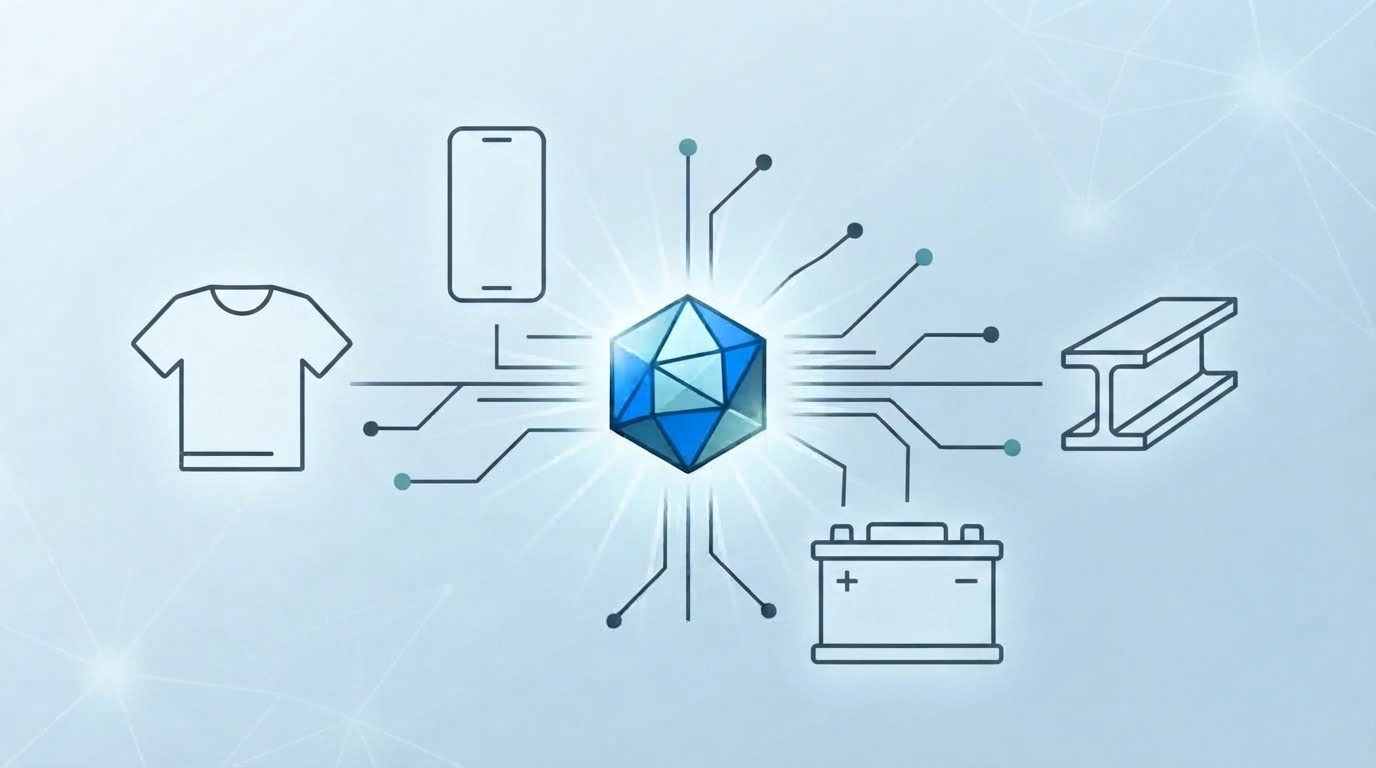
How a Digital Product Passport works day to day: the data carrier, the hybrid of a central EU registry and decentralised data, what each type of user does with it, and the standards that keep passports readable.